
Dollar costs of PPE
Personal protective equipment (abbreviated PPE) is the collective term used to describe equipment worn by employees to reduce the chance of injury and illness. Some of the most commonly used types of PPE include rubber gloves, safety goggles, hardhats, earplugs, ventilation masks, respirators and welding helmets.
The official Occupational Safety and Health Administration (OSHA) website states the following in regards to PPE:
“All personal protective equipment should be of safe design and construction, and should be maintained in a clean and reliable fashion. It should fit well and be comfortable to wear, encouraging worker use. If the personal protective equipment does not fit properly, it can make the difference between being safely covered or dangerously exposed. “
After reading through the OSHA’s standards on PPE, you might be wondering who is responsible for footing the bill. After all, purchasing all of the previously mentioned equipment for dozens or even hundreds of employees can cost a pretty penny. So, does the employer pay for PPE or is the employee responsible for buying their own the PPE?
Employers Must Purchase Their Employees’ PPE
Yep, employers are now required to purchase their their employees’ PPE. On May 15, 2008, a new OSHA rule went into effect which requires employers to foot the bill for PPE. Before this time, it was up the employer whether or not they wanted to pay for PPE. The OSHA deemed that because it was a necessity for creating a safe workplace, employers should be responsible for buying their employees’ PPE.
The good news is that employers can write off PPE as a business expense on their taxes.
Can Employees Buy Their Own Personal Protective Equipment?
Technically, employees can still purchase their own PPE, but their employer is responsible for reimbursing the cost. It’s not uncommon for employers to hand out a list of PPE to their new employees, asking them to purchase the items on their own time. This is done to make the process of finding fitted items more easily. For instance, it’s obviously easier for an employee to purchase his or her boots rather than their employer. As long the employee keeps a receipt, they are entitled to reimbursement from their employer.
Note: if an employee buys their own PPE, the employer is responsible for checking to make sure it’s OSHA-compliant and falls within the standards set forth by the organization.
If you want to learn more, read our post about the different Levels of Protection For Personal Protective Equipment (PPE).
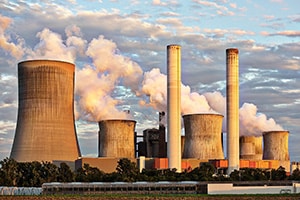 Last month, the Environmental Protection Agency (EPA) published a new rule which would limit the carbon pollution of new coal-burning power plants. EPA Administrator Gina McCarthy announced the proposed rule in Q4, 2013. However, it took officials several months to finalize the rule before making it available to the public. You can now access and view the new carbon emission rule proposed by the EPA at
  Ergonomics is a topic that’s oftentimes overlooked or misunderstood among employers. Whether your workplace is a typical office setting or an industrial factory, you should carefully analyze ergonomics to ensure workers are given a safe, healthy environment to perform their professional duties.
 Volatile organic compounds (VOCs) are carbon-based compounds (hence the name) which possess a high vapor pressure at ‘normal’ temperature and humidity levels.
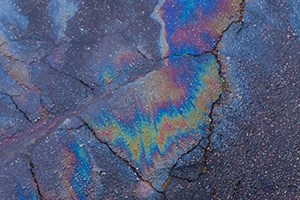 Whether it’s gas or diesel, fuel is found in just about every industrial workplace. Companies use them to power forklifts, trucks, transportation vehicles, and a wide range of heavy equipment. Because it’s such a commonly used chemical in the workplace, there’s a high risk for spills. This is why it’s important for companies to take the necessary precautions to protect themselves against spills, along with creating a plan for containing and cleaning fuel in the event that a spill occurs.
 In a previous blog post, we talked about some of the
 A hazardous communications plan (HAZCOM for short) is a comprehensive document which outlines vital information regarding a company’s safety practices, chemical labeling, training and potential workplace hazards.
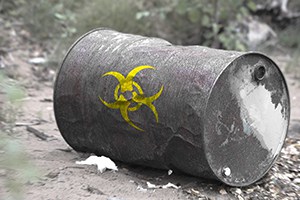 It’s important for companies to fully understand the definition of ‘hazardous waste’ in order to provide a safe, EPA-compliant workplace that’s not a threat to workers or the environment. But what exactly is the definition of hazardous waste? And what steps should companies take to prevent the chance of spills and accidents from occurring? To learn the answers to these questions and more, keep reading.