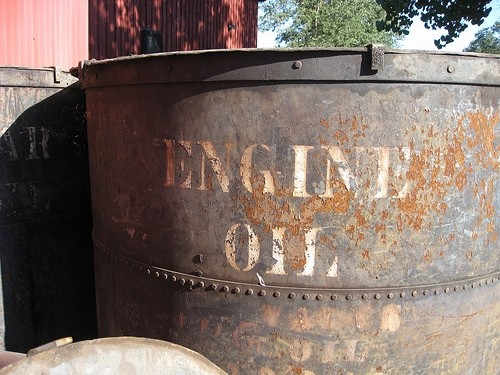
Engine oil drum.
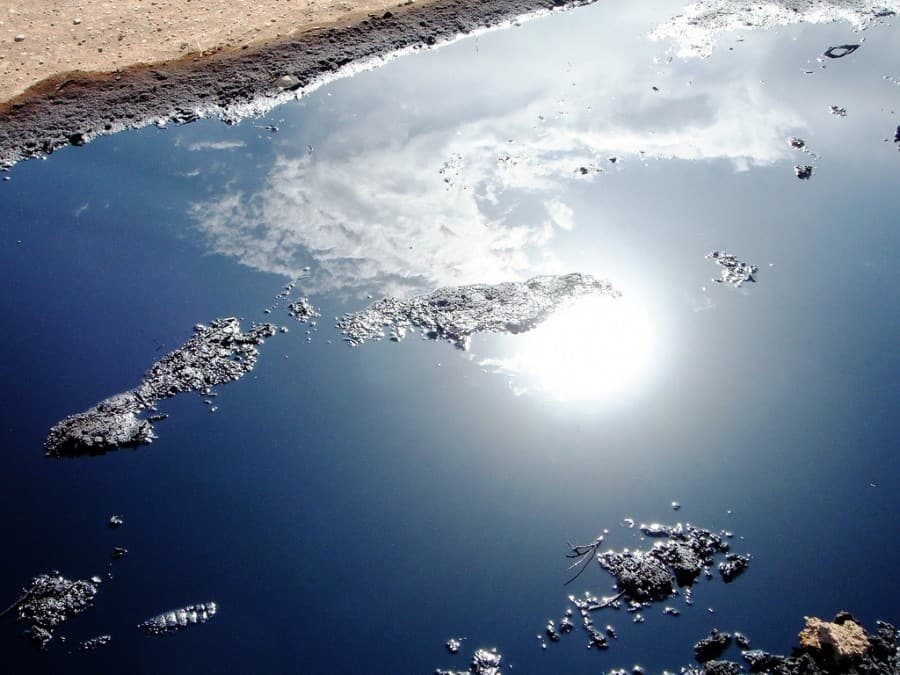
One of the most common types of chemical spills in the workplace is oil. It’s used in everything from forklifts and trucks to the industrial machines and lifting equipment. Although it’s considered low toxicity, oil spills in the workplace pose a direct threat to the safety of employees on duty. Companies must take a proactive approach towards cleaning up any spilled oil in a timely manner to ensure the safety of everyone on the premises.
Why Oil Spills In The Workplace Are Dangerous:
- Increases the chance of slip-and-fall accidents.
- Oil is highly flammable and may catch fire from a spark or source of heat.
- Can lead to the production of gases.
The Occupational Safety and Health Administration (OSHA) states the following in regards to cleaning up oil spills in the workplace:
“Oil spill cleanup workers can face potential hazards from oil byproducts, dispersants, detergents and degreasers. Drowning, heat illness and falls also pose hazards, as can encounters with insects, snakes and other wild species native to the impacted areas.”
While the example described above is a larger oil spill, companies should still follow certain precautionary measures when cleaning up oil spills. The golden rule when cleaning up an oil spill — or any chemical for that matter — is to protect yourself. Use extreme caution when walking around the source of the spill, as it can be incredibly slippery. All it takes is a couple drops of oil on a flat cement or asphalt surface to send a worker slipping and falling to the floor. Wearing a pair of non-slip shoes can help cleanup crews and employees can better traction while working around oil spills.
Use Absorbent Materials
Using absorbent materials, such as pads, mats and socks, is a highly effective way to clean up oil spills in the workplace. Assuming the spill is minor and contained to a particular area within your workplace, you can typically soak it up with the right absorbent materials. Carefully laying down some absorbent pads into the center of the spill will gradually clean the area, at which point you can throw the oil-soaked materials away.
Of course, it’s important to note that oil-soaked rags and materials must be properly disposed in a separate container. Tossing them in your company’s normal trash receptacle may result in them polluting the landfill. You can read more about the correct way to dispose of oil-soaked rags in our previous blog post located here.

 The Environmental Protection Agency (EPA) recently proposed new changes to the country’s Agricultural Worker Protection Standard (WPS) in an effort to reduce agricultural workers’ exposure to toxic pesticides. There are around a dozen specific changes introduced, all of which are designed to protect farmers and other agricultural workers who handle pesticide-covered products on a daily basis.
 On Monday, officials with the Environmental Protection Agency (EPA) announced a new rule that would place restrictions on
  Slip-and-fall accidents can place a serious financial burden on a company. When a worker falls and suffers an injury while on the job, the company is responsible for paying his or her medical bills along with lost wages through Workers’ Compensation. This alone can cost businesses a good chunk of cash, but this is really just the tip of the iceberg when it comes to the true cost of slip-and-fall accidents in the workplace.
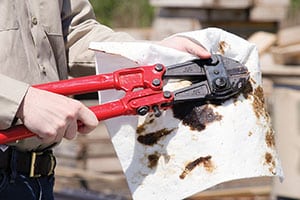 Do you frequently use washcloths or rags to wipe up oil, lubricants or other solvents in your workplace? If so, you’ll want to familiarize yourself with the Environmental Protection Agency’s (EPA) rule regarding solvent-contaminated wipes. It outlines the best practices for dealing with solvent-contaminated wipes, without negatively impacting human health or the environment.
 It seems like we were just talking about the massive
  There are several advantages to creating a green, environmentally friendly workplace: it reduces overhead costs, boosts employee morale, and it opens the doors to an entirely new client audience.