 Earlier this month, the U.S. Environmental Protection Agency released tons of new data found in roughly 1,800 chemicals. These chemicals are used in everything from processed foods to laundry detergents, skincare products, and even over-the-counter drugs. The EPA’s goal in screening the 1,800 everyday consumer chemicals is to predict health concerns and risks associated with common household products.
“EPA’s use of cost effective advanced chemical screening techniques has transformed this country’s knowledge of the safety of almost 2,000 chemicals currently in use. Today’s release marks an important milestone in communicating and improving our understanding of the impact chemicals have on human health and the environment,” said EPA Office of Research and Development assistant administrator Lek Kadeli.
The EPA used robotics screening technology to test and gauge the 1,800 chemicals listed in their report. Tox21 is the codename given to the robotics technology used by the EPA, National Institutes of Environmental Health Sciences/National Toxicology Program, National Institutes of Health, National Center for Advancing Translational Sciences and the FDA.
Thankfully, they identified just a fraction of the chemicals as “high risk” for illness and/or health concerns. Even with just a fraction of the chemicals found to be dangerous, however, the EPA’s testing could prove to be a real life-saver. It’s not something most consumers want to think about, but very few products are inspected for safety before being released into the market. It’s usually not until class action lawsuits arise that a company begins to cease production on a their product(s) containing harmful chemicals or ingredients.
So, how did the EPA use this information to predict health problems associated with nearly 2,000 chemicals? They actually took an innovative approach to this large-scale operation by releasing a challenge to the science and tech community. This challenge, known as the ToxCast Data Challenge, allows organizations, companies and individuals in the science community to freely access this EPA’s data to identify possible health concerns.
This isn’t the first time the EPA has invited outside science and technology organizations to utilize their data, and it probably won’t be the last. While the EPA is a massive federal body with nearly 17,000 employees working throughout the country, they simply don’t have the manpower or resources necessary to screen and analyze data on every chemical. In an effort to take some of the burden off their shoulders, the EPA frequently runs challenges like the ToxCast Data Challenge mentioned above.
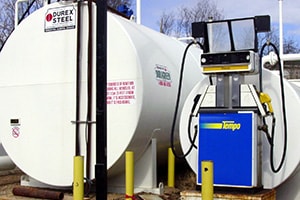 Aboveground storage tanks (AGT) are frequently used to hold everything from gasoline and diesel fuel to spent oil and solvents. They offer a fast, safe and effective way to store large amounts of potentially hazardous chemicals.
 Minor oil spills are a common occurrence in the workplace. If you work around forklifts or heavy machinery, chances are you’ll experience an oil spill at some point. Small drops of oil can be easily cleaned with a basic rag. A worker can wipe it up with an old towel and get back to doing his or her profession.
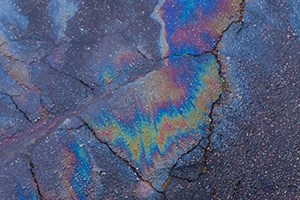 Whether it’s gas or diesel, fuel is found in just about every industrial workplace. Companies use them to power forklifts, trucks, transportation vehicles, and a wide range of heavy equipment. Because it’s such a commonly used chemical in the workplace, there’s a high risk for spills. This is why it’s important for companies to take the necessary precautions to protect themselves against spills, along with creating a plan for containing and cleaning fuel in the event that a spill occurs.
 In a previous blog post, we talked about some of the
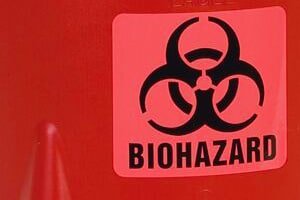 A hazardous communications plan (HAZCOM for short) is a comprehensive document which outlines vital information regarding a company’s safety practices, chemical labeling, training and potential workplace hazards.
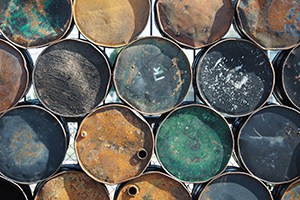 Fuel is both flammable and toxic to the environment, which is why companies need to safely store it where there’s little-to-no chance of a spill. Allowing fuel to spill or even drip in the workplace creates a dangerous scenario for nearby employees. If someone were to slip and fall on an area that’s slick with fuel, the company could be held liable for their injuries.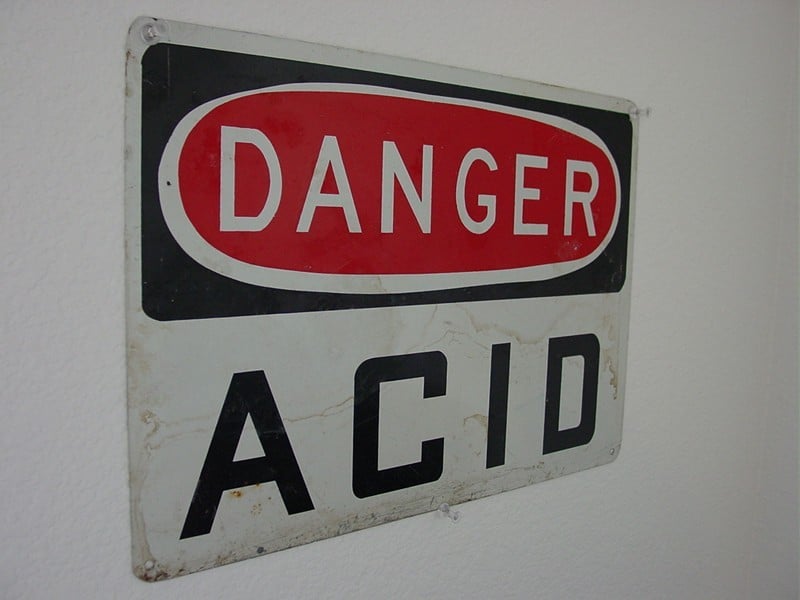
 With the 2013 year drawing to a close, the Environmental Protection Agency (EPA) is working hard to draft the ethanol requirements in next year’s
 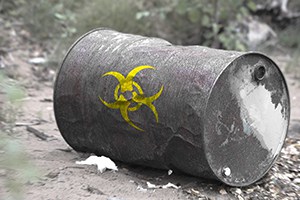 It’s important for companies to fully understand the definition of ‘hazardous waste’ in order to provide a safe, EPA-compliant workplace that’s not a threat to workers or the environment. But what exactly is the definition of hazardous waste? And what steps should companies take to prevent the chance of spills and accidents from occurring? To learn the answers to these questions and more, keep reading.