Learn the essentials for workplace emergency preparedness

Escape route procedures are one part of workplace emergency preparedness
It’s easy to think “It couldn’t happen to me” — until it does. Too often, we don’t focus on workplace emergency preparedness until disaster strikes. And by then, it’s already too late.
That’s certainly the case for some U.S. employers. For instance, many are less prepared than they should be for emergencies in the workplace.
Consider a 2014 report from the International Facility Management Association (IFMA) and RLE Technologies. Its findings state that 19% of organizations lack an up-to-date emergency preparedness and business continuity plan. And Staples’ 2014 workplace safety survey shows that only half of employees believe their workplaces are prepared for a severe emergency.
Don’t get caught without an emergency response plan
Think an emergency can’t hit you hard? Think again.
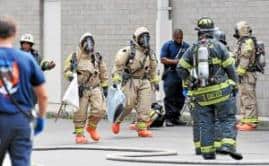
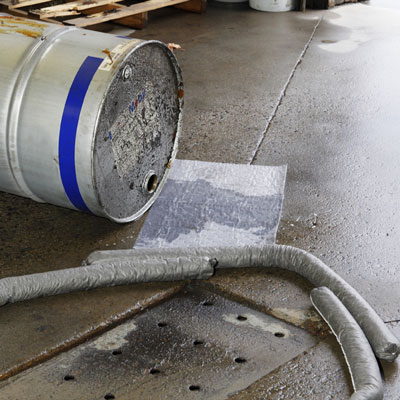
Firefighters and emergency services respond to a chemical spill
Source: nhregister.com
A variety of emergency situations could easily disrupt business operations. Consider the impact of a medical emergency or a short-term Internet outage. Let alone more catastrophic events. For instance, building and environmental damage. Be it due to severe weather, a hazardous spill, equipment failure, or a terrorist attack.
Your business needs to be ready. Because if you don’t have an emergency action plan in place to deal with events like these, you risk non-compliance with Occupational Safety and Health Administration (OSHA) regulations. Specifically, 29 CFR 1910.38(a) and 29 CFR 1926.35.
And if non-compliance with the U.S. Department of Labor’s occupational safety requirements isn’t scary enough, an emergency can have many other dire consequences. For instance, without proper planning, you risk jeopardizing employee workplace safety. Or, even shutting down the business. In fact, according to the Institute for Business and Home Safety, one in four businesses never reopens after a natural disaster.
What does emergency planning require?
You don’t want to be that one in four business that has to close its doors for good after an emergency strikes. So how do you ensure that you’re ready to deal with a disaster if, or when, it comes?
Fortunately, both OSHA and Federal Emergency Management Agency (FEMA) offer comprehensive guidelines and resources. Which can assist businesses in developing their emergency preparedness plans.
Your workplace preparedness and emergency action plan should address these areas:
-
Program management
A preparedness program requires management leadership, commitment, and financial support.
These inputs are essential to your plan’s success and require ongoing investments, including time and money.
-
Planning
This task involves the assessment of hazards and risks and how to mitigate them.
Potential hazards exist in every company or organization. And every workplace is unique. Your preparedness plan should include hazards specific to your business and workplace environment. In other words, oil or chemical spills or severe weather events that are possible in your area.
-
Implementation
The plan should cover all facets of preparedness. This means crisis communications, business continuity, and emergency response.
Workplace protective actions can be everything from installing a defibrillator (make sure to train employees how to use it!) to having a shelter in place at tornado-prone locations.
-
Testing
Test and evaluate the plan with drills and exercises that you schedule on a regular basis each year.
Are evacuation routes in your building visible, and, are your staff familiar with evacuation procedures? Are alarm systems and public address systems in effective working order if you need to alert staff or reach out to local law enforcement?
-
Improvement
Based on what you learn during testing and evaluation, determine how you can improve your plan.
Do you need to revise your evacuation plans and emergency evacuation procedures, or, consider upgrading building fire protection systems? Is it time to update employee family member contact information so you can let them know about an emergency situation?
Get prepared for potential emergencies
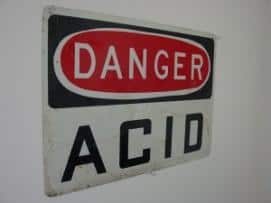
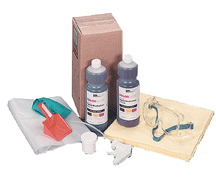
Keep acid neutralizer on site to prepare your workplace for emergency spills
Ensuring your workplace has emergency response items like fire extinguishers, first aid, leak, and spill kits on hand is a good start. But, will only do so much during a large catastrophe.
Beyond tangible equipment, you must also have clear processes in place to report and respond to an emergency. Above all, preparation to protect your workers or customers demands a clear chain of command.
Preparation also means appropriate safety training for staff. The American Red Cross offers specialized courses in everything from first aid and CPR (cardiopulmonary resuscitation) to using AED (automated external defibrillator) equipment.
When developing your first responder notification procedure, you might even want to reach out to your local fire department or police department for their input.
Types of emergencies to consider
An emergency or disaster in the workplace can strike at any time, without warning. Broadly speaking workplace emergencies fall into two main categories – man-made and natural.
Examples of man-made disasters are:
- Hazardous toxic gas releases or chemical spills
- Radiological accidents
- Explosions
- Civil disturbances
- Workplace violence that results in bodily harm and trauma.

Weather is one of many worst-case scenarios workplaces must plan for
Similarly, the types of natural disasters your workplace may need to prepare for include:
- Floods
- Hurricanes
- Tornadoes
- Fires
Brainstorm potential emergency scenarios
Not all workplaces will be at risk of the same types of emergencies. But it always pays to prepare for the worst-case scenarios. Therefore, brainstorm any and every potential hazard that your workplace might face.
Start by writing down a list of questions, such as the following examples. What types and volumes of hazardous materials does your job site handle or store on location? Does your medical facility have the appropriate equipment in place to protect employees against bloodborne pathogen risks?
When it comes to natural disaster preparedness, check out our previous Storm Safety Tips post for more ideas.
The time for emergency planning is now
There’s no time like the present to determine whether your existing plan needs an update. Particularly if you haven’t recently done a review or test of your workplace’s emergency preparedness plan.
And if your company lacks a workplace emergency preparedness plan, consider the consequences of not being prepared when disaster strikes. In conclusion, make it a priority to develop a plan that protects both your employees and your business.
We’ll help your workplace with disaster preparedness

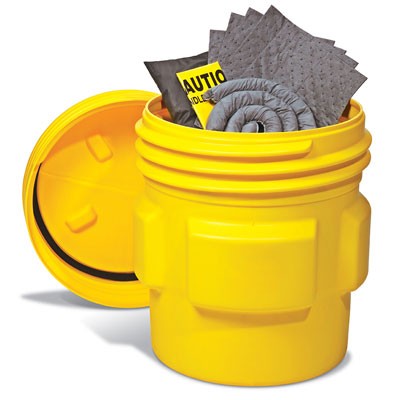
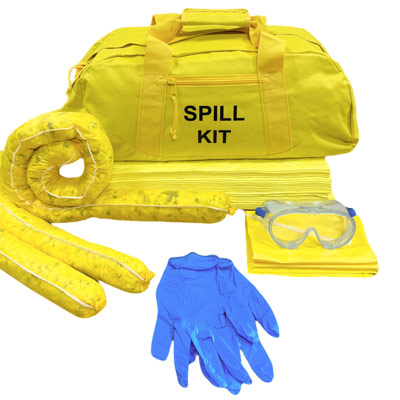
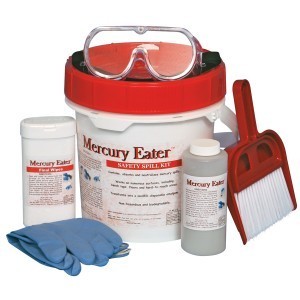
Workplace emergency preparedness spill kit
Have your plan in place? Congratulations! Now, check out these emergency preparedness products from AbsorbentsOnline.com:
- Acid Neutralizers
- Emergency Leak Repair
- Spill Containment Kits
- Oil Spill Containment Berms
- Oil and Chemical Containment Booms
 Do you have the right safety products on hand for your workplace? To find out, contact Angie Meza at angie@absorbentsonline.com or (800) 869-9633.
This is a revision to a post with an original publication date of November 11, 2014.




 Have questions about which absorbents or spill response kits are right for your needs? Contact Travis Zdrazil at








 Spills left to advance and spread can cost contractors upwards of a hundred thousand dollars in site cleanup fees. That number doesn’t even include potential
  There are plenty of absorbents designed for multipurpose use. These types of absorbents — labeled “

 Ergonomically designed AbsorbentsOnline


 In the event of a spill, you need to act fast. But you don’t just need the right absorbents for the job — you also need the right equipment and safety gear, you need to know how to use them, and you need to know where to find all these things quickly when you need them.