Nitric acid is a widely used industrial chemical with applications in manufacturing, agriculture, and chemical processing. However, when a nitric acid spill or nitric acid leak occurs, the consequences can be severe for both people and the environment. Understanding the risks and knowing how to respond can make all the difference in preventing injury and damage.
What Makes Nitric Acid Dangerous?
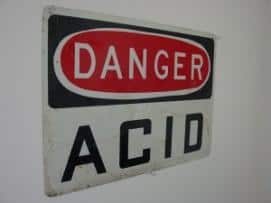
Nitric acid is highly corrosive and a potent oxidizing agent. Direct contact with the liquid or its vapors can cause severe burns to the skin and eyes, and inhalation of the fumes may lead to serious respiratory irritation. In more extreme cases, delayed lung injury such as pulmonary edema can occur, especially after prolonged exposure.
Even small concentrations can be hazardous, and nitric acid spill dangers are not limited to physical contact. The chemical reacts violently with organic materials, metals, and other substances, which can result in fires, toxic fumes, or even explosions if not handled properly.
Real-World Risks of Nitric Acid Leaks
Industrial accidents involving nitric acid underscore how dangerous these events can be. For example, a commercial truck accident involving a nitric acid transport forced highway closures and evacuations due to a nitric acid leak and the potential for harmful fumes.
Similarly, large-scale leaks at industrial sites have required emergency evacuations, no-fly zones, and extensive cleanup efforts. These incidents illustrate not just localized risk but broader public safety concerns tied to nitric acid exposure.
Safety First: Responding to a Nitric Acid Spill
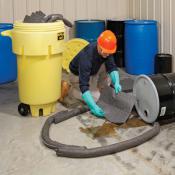
Proper preparedness dramatically reduces the impact of a nitric acid spill. The first step in any emergency response is to evacuate personnel from the immediate area and alert emergency responders. Only trained professionals with appropriate personal protective equipment (PPE) should approach or attempt to handle the spill.
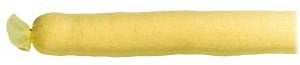
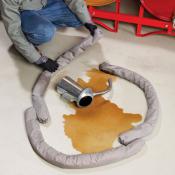
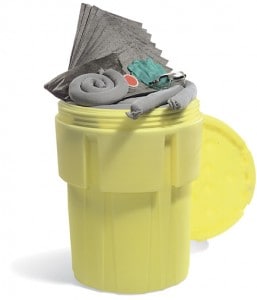
Containment is critical. Neutralizing the acid with a safe neutralizer and absorbing the resulting material with compatible absorbents (such as acid-resistant pads or vermiculite) prevents further spread and reduces environmental harm.
Preventing Future Leaks and Spills
The best way to mitigate nitric acid leak dangers is through prevention:
- Store nitric acid in approved containers with secondary containment to prevent accidental release.
- Ensure facilities have effective ventilation, spill kits, and trained personnel ready to respond.
- Keep incompatible materials separate to avoid violent reactions.
Nitric acid is a powerful tool in industry, but its hazardous nature requires respect and preparedness. With the proper spill response materials and safety planning, businesses can minimize risks and protect both people and property.
 Companies dealing with hazardous chemicals and materials should follow the old saying, “Hope for the best but prepare for the worst.” Let’s hope a spill never occurs but in the rare event that it does, be fully prepared to control, contain and clean it. Because when it comes to workplace safety, there is no room for compromise.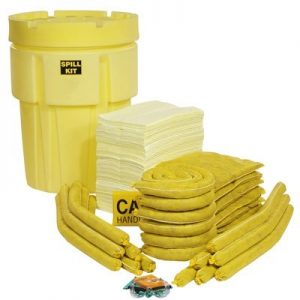
 Have questions about hazardous chemical spill supplies? Contact Travis Zdrazil at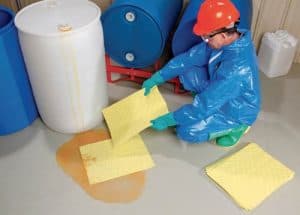





 Do you have the right safety products on hand for your workplace? To find out, contact Angie Meza at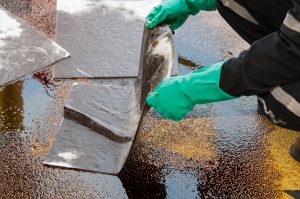
 Spills left to advance and spread can cost contractors upwards of a hundred thousand dollars in site cleanup fees. That number doesn’t even include potential

 Despite scores of regulations from OSHA, the Environmental Protection Agency (EPA), and various other governmental entities, hazardous chemical exposure is still a pervasive problem in many workplaces. In fact,