Upgrade Your Home Cleanup Game with These Industrial-Grade Solutions!

Explore solutions to keep spills and leaks around your home in check
No one would argue that paper towels have their uses. However, they also have limitations. Some of the best products for managing life at home can’t be found at the grocery store.
For example, the common household solution for protecting floors from spills when you’re working is a tarp. But a tarp doesn’t absorb spills; it simply collects them. The most efficient way to protect your floors from paint and oil is an absorbent mat.
The bad news: These mats aren’t usually marketed outside industrial applications. The good news: You can buy them for your home anyway! The same is also true for versatile absorbent socks (no, not those ones that you’re used to dealing with on laundry day).
Here, we take a look at two handy products that go beyond traditional household supplies. Both can help simplify your life by managing everyday messes and protect your home from stains or leaks.
What is an Abzorb Mat?

Keep your garage floor dry and free of oily leaks with an Abzorb Mat
Abzorb Mats feature a top layer made of a universal absorbent capable of containing all kinds of liquids. This lightly textured surface is dark gray to disguise stains and help prolong its use. The bottom layer has a non-penetrable vinyl backing that’s skid-resistant and will stop absorbed liquids from leaking through the mat and damaging the floor below.
The Abzorb Mat is specially designed to lay flat without curling or buckling, which helps prevent trips and falls. Our “stain stopper” backing is so tough that we guarantee it against leaks, cracks, and tears for three years.
Available in 3-foot and 6-foot widths, you can even get custom lengths if you need a specific mat size.
What is an Abzorb Mat for?
There are countless uses for this flexible mat in your home or garage!
Try placing it underneath where you park or work on your car to catch oil or antifreeze drips and prevent concrete strains. If you live in an area that gets a lot of snow in winter, the Abzorb Mat is perfect for catching melting snow runoff from vehicles, snow removal equipment, and even boots in the entryway or mudroom.
The Abzorb mat’s anti-slip properties make it great for back doors and garage doors. You can use it as a work bench cover, shelf liner, paint mat, craft mat, as well as underneath pet food and water bowls. Curtail expensive cabinet damage due to pesky cleaning container spills or faucet leaks—cut one to size and place it under your kitchen or laundry sink.
These mats may be designed for industrial purposes, but you can find plenty of useful implementations in your own home.
What is an Absorbent Sock?
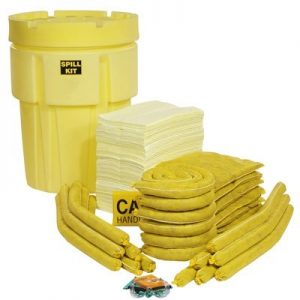
Featuring heavy-duty construction, universal socks are long tubes filled with super absorbent materials like cellulose. Their flexible nature allows you to contour and snugly conform them to just about any shape or area. When a leak or spill occurs, the sock efficiently absorbs the liquid while creating a barrier to prevent it from spreading.
Available in 4, 8, and 12-foot lengths, these highly absorbent socks can be used to soak up water, oil, or just about any other household spill you can think of. Just one 8-foot sock can absorb over 1.5 gallons of liquids!
What are Absorbent Socks for?
You’ll be surprised just how many places you can use absorbent socks. Lay them along doors and window seals to stop drafts and make your home more comfortable year-round. Because they’re absorbent, they’ll also help avoid seepage during a driving rainstorm.
Wrap them around your water heater, washing machine, A/C, or water filtration system. Then relax in peace of mind should that machine or equipment create condensation puddles or spring an unexpected slow leak. Leaking toilet cistern? Keep your bathroom floor dry and slip-free by wrapping a sock around your toilet pan until you have time to call the plumber (or fix the issue yourself).
Best of all, absorbent socks are reusable. Simply wring out any excess moisture by hand, then let them air dry before using them again and again.
Ready to Make Your Life Simpler?
If you’re ready to simplify your life and protect your home from everyday messes and mishaps, these industrial-grade products have got you covered. Whether it’s the Abzorb Mat’s versatility or the Absorbent Sock’s ability to prevent and contain leaks, these solutions go beyond what traditional household items can offer.
Still, you might have questions about which at-home absorbents are right for your specific needs. Don’t worry; we’ve got you covered there too! You can contact Travis Zdrazil at travis@absorbentsonline.com or give him a call at (800) 869-9633. Travis is a seasoned expert in absorbent products and can provide you with personalized advice to ensure you choose the right solutions.
For more valuable insights into protecting your home and discovering unique products you won’t find on your typical store shelves, check out our other posts:
- Learn to Spill-Proof Your Home and Avoid Becoming a Statistic
- You Can’t Find These Useful Products for Your Home in Stores
This is a revision to a blog post with an original publication date of January 31, 2017.
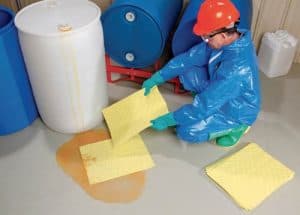
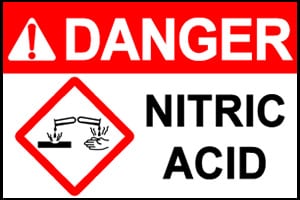 However, due to its dangerously corrosive characteristics and toxic fumes, nitric acid spills create a serious hazard. As evidenced in February this year, when a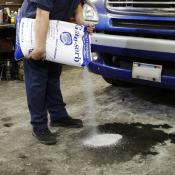
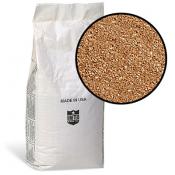
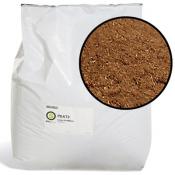


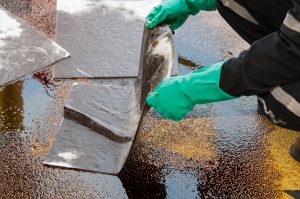
 Spills left to advance and spread can cost contractors upwards of a hundred thousand dollars in site cleanup fees. That number doesn’t even include potential
  While some absorbent materials can be used only once before they must be discarded, the greener — and more budget-friendly — option for many is to use absorbents they can clean and reuse multiple times. Market predictions show these